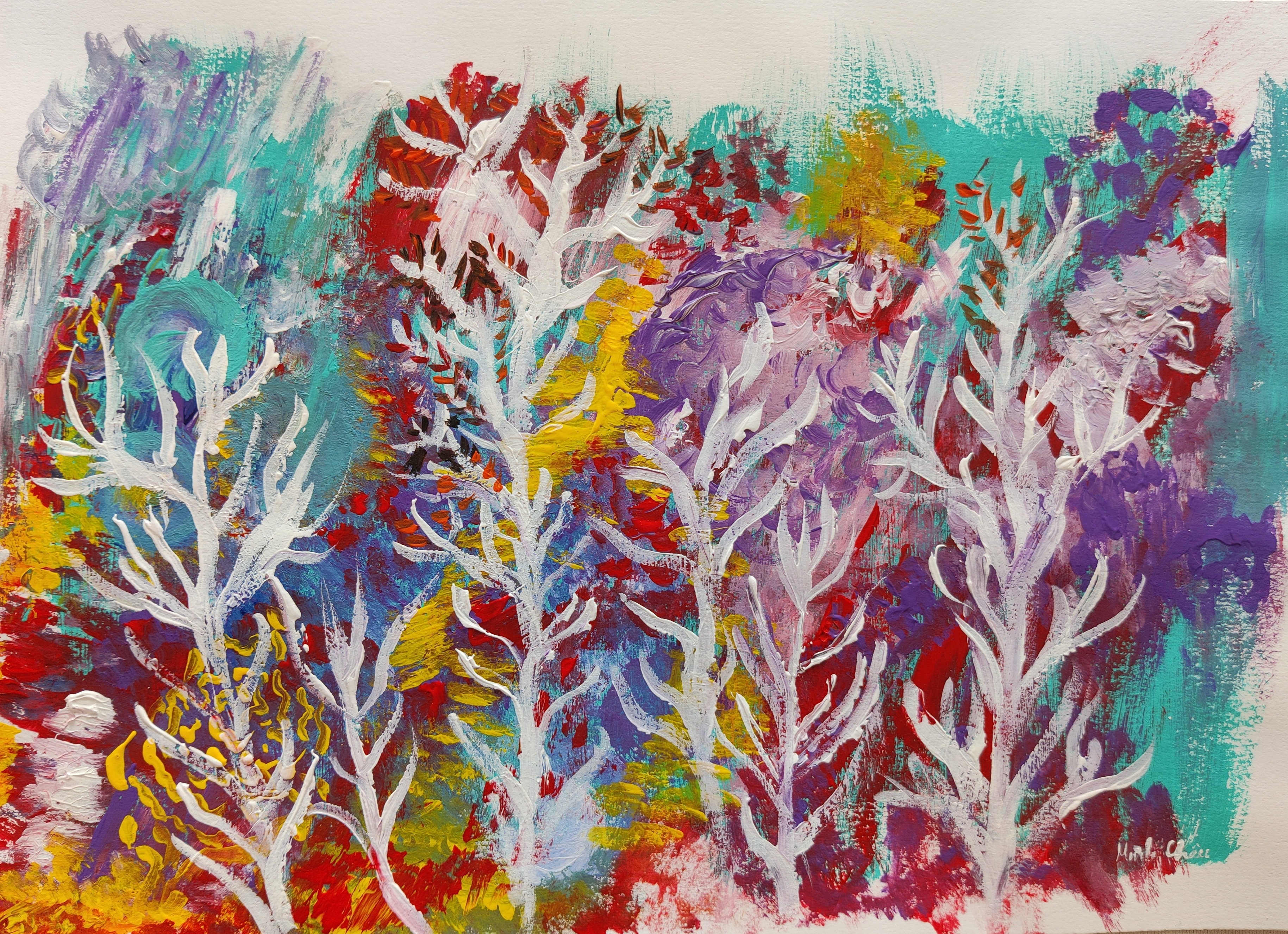
Migration is such a strange, conflicting thing to do. You leave the one environment you’ve ever known, only to build a home from scratch somewhere else, navigating ways of living through a language you barely understand. And yet, migration is probably the most natural, essential thing a living being can do. It’s a survival need to keep life going, not only for yourself but also for your descendants.
Talking about migration is talking about time. We can’t catch time. We can only witness it, often helplessly. From the eyes of a child, a mother or a father figure is something vast, eternal, a mountain of authority and structure. But years of building a life somewhere else, then returning home after so long, reveal another truth. The mountains that once felt unshakable now appear with softness, flaws, limits. The older generations were taught to speak the language of affection through strict rules and disciplines. Time peels away layers and changes how we look, how we respond to each other. We’ve felt regret for the things we did and didn’t do. We just didn’t have the strength to address it – until now.
Time doesn’t erase the distance between generations. But there are intangible threads that hold a family together: stories. Stories about us, about the people who came before us. My grandfather whom I never met, fought in the war and never returned. We never found his body. We never forget his sacrifice, and never forget how the war stayed alive inside him, how its violence reached the daughter he loved. The stories begin with “I remember how …”, or “That time when …”. And in those moments, suddenly you feel like you could get a hold of time.
Vietnamese carry a relationship with the dead through prayers and burning incense. Each home has an altar (bàn thờ), a sacred place dedicated to family ancestors. When there is an anniversary of death, a major life event, or during festivals, incense is lit and placed on the altar. As the fragrance drifts through the room, the prayer bows and says their name and names of the dead, then offers their thoughts, their worries, their wishes for health and protection. Food and fruits, freshly prepared that day, are offered on the altar so that ancestors can return and enjoy a proper meal. Centuries of war against foreign aggression have made hunger a deep cultural memory, one that keeps us wonder if our ancestors are hungry, so our deepest wish is for their spirits to depart satisfied with a full stomach. Once the incense has burned out, the living share the food among themselves. Through taste, we nurture and bond with the dead.
There’s a saying in Vietnamese: “đi để trở về”. It means “to go in order to return”. In our family, a journey back home always entails a visit to grandma’s grave. In our ancestral village An Lão, her ashes rest beside her husband, together with generations before them. Each grave has a small uncovered square on top, exposing the soil beneath for placing incense. This space also lets the spirit from below breathe and rise. In front of grandma, I closed my eyes and spoke to her, that I now came back to see her, that I hoped her spirit was at peace. On our drive back, auntie Thuỷ asked us something I ponder once in a while: Where do migrants prefer their final resting place? It’s never an easy choice, whether to be close to our origins and our past, or close to loved ones who carry our future.
 Minh Châu
Leave a comment